Cooling towers in long service develop a familiar set of problems: aging fill, excessive fan energy consumption, declining heat exchange efficiency, water leakage and excessive noise. Some companies simply buy brand-new equipment, which costs far more, while a targeted retrofit and upgrade has become the preferred way to cut costs, raise efficiency and optimize equipment performance. Retrofit work is complex, covering the structure, the water circuit and the power system, and any oversight can compromise the result. Below are the core precautions for a cooling tower retrofit.
I. Before the Retrofit: On-Site Survey and a Tailored Plan
Before work formally starts, an on-site survey and operating condition analysis are the essential foundation; never follow the crowd into a retrofit blindly. First, inspect the existing tower foundation and structure, and check the steel frame, casing, support beams and columns for corrosion, damage and aging, to judge whether the shell is worth retrofitting at all and to avoid structural safety risks afterwards.
Second, the team needs to record the existing parameters of the equipment, including cooling water flow rate, inlet and outlet water temperatures, fan power and operating noise, and combine them with the company's current production requirements to define the direction of the retrofit. Whether the goal is energy savings and noise reduction, greater cooling capacity, or replacement of worn-out parts, the plan must be customized to the site conditions, water quality environment and budget, and generic retrofits must be avoided.
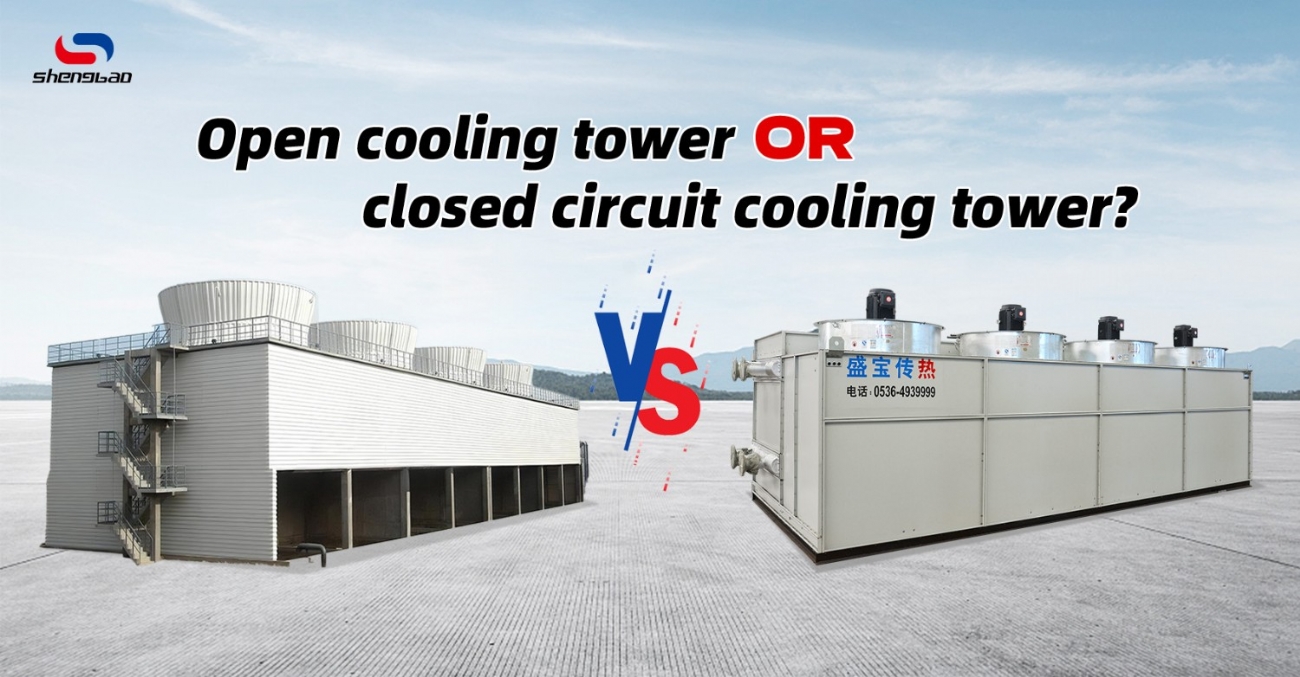
II. During the Retrofit: Control the Details and Focus on Core Components
Component upgrades are the heart of a cooling tower retrofit. Different components have different standards, and attention to detail directly determines how the equipment runs afterwards. The fill, as the core heat exchange component, reduces cooling efficiency immediately once it ages, scales or breaks. When replacing the fill, match the original tower type, crossflow or counter flow, give priority to materials with excellent corrosion resistance, scaling resistance and water permeability, and keep the installation spacing reasonable to prevent ponding and uneven flow.
For the water distribution system, older towers often suffer from clogged nozzles, uneven distribution and failing gravity spreading. During the retrofit, a distribution device suited to the water quality can be selected; where the water carries many impurities, a large-bore anti-clogging structure is recommended. At the same time, balance the distribution pressure so that water and air are evenly distributed across every zone of the tower, maximizing heat exchange efficiency.
In addition, optimizing the fan, motor and transmission system is indispensable. For old units with high energy consumption and high noise, upgrade to low-noise energy-saving fans and motors with a scientific transmission ratio, and provide wind protection and vibration damping. This lowers the operating energy consumption of the equipment and effectively controls working noise, meeting environmental control standards.
III. Construction Phase: Work to Standard and Hold the Safety Line
Cooling towers are mostly installed outdoors on rooftops or in open plant areas, so the construction phase has to follow safe working procedures strictly. Workers at height need proper protective measures, and work should avoid severe weather such as heavy rain, high winds and frost. If parts have to be dismantled during a short shutdown, shut down the power and water systems in advance and carry out pressure relief and drainage to prevent accidents.
At the same time, keep alterations to sound existing structures, piping and cabling to a minimum during construction, to reduce both retrofit risk and extra cost. Once the work is finished, never put the tower straight into full-load operation; carry out staged commissioning at no load, half load and full load to check for leaks, abnormal noise and substandard heat exchange.
IV. Later Operation, Maintenance and Partnership: Keeping Equipment Running for the Long Term
Completing a retrofit is not the end of the story; routine maintenance afterwards is just as critical. Companies need to set up a regular inspection system, cleaning scale and impurities from the fill and nozzles and checking the condition of the fans and motors, so as to extend the service life of the retrofitted equipment.
If you do not have a suitable retrofit team, work with a reliable source manufacturer. Shandong Shengbao Heat Transfer Technology Co., Ltd. not only supplies new crossflow and counter flow cooling towers, but also provides one-stop services to all industries for upgrading and retrofitting aging cooling towers, replacing components, optimizing energy use and remediating noise. With years of hands-on industry experience and a clear view of the pain points of different operating conditions, Shengbao develops retrofit plans tailored to local conditions and follows the whole process from early survey and mid-term construction to later commissioning and maintenance, helping companies solve cooling tower operating problems at low cost and achieve energy savings with better performance. For retrofit or equipment inquiries, you are welcome to contact us at any time.








 Home
 Products
 Phone